Skip to content
DeepGlows

Light therapy that runs in the background.

DeepGlows delivers 660nm red light to your skin while you work. Clinically studied wavelength. No sessions. No routines.

No spam. Early access pricing when we launch. We store your email to send launch updates — nothing else. Reply to any email to be removed.
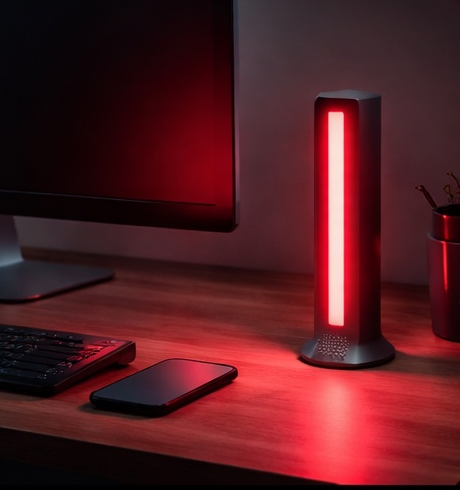
DeepGlows vertical LED bar on a desk, emitting red light

Most red light therapy panels come with a protocol: six inches from the emitter, ten minutes minimum, hold position. The research behind the outcomes is solid. The routine isn't.

Devices that demand a ritual end up collecting dust. DeepGlows is built on a different premise: the best health tool is the one you actually use.

Why it works

Works passively

Sits on your desk and works while you do. No time blocked, no position to hold, no ritual.

660nm

The wavelength with the strongest evidence base for skin and cellular recovery. Published irradiance specs, not marketing claims.

Considered hardware

Aluminum body, precision optics. Designed to integrate into premium spaces without looking clinical or out of place.

How it works

What red light therapy actually does

660nm red light penetrates skin and is absorbed by mitochondria, the energy-producing structures in your cells. This stimulates ATP production, reduces oxidative stress, and accelerates tissue recovery.

Unlike UV light, 660nm causes no tissue damage. It works with your biology. The mechanism is well established; the ongoing research debate is around optimal protocols.

660nm · Visible red

Penetrates surface tissue. Primary targets: skin, collagen synthesis, surface inflammation, wound healing.

Working distance

Designed for the 50–80cm you sit from your monitor. A continuous low-level dose accumulates across a workday — delivering more total skin exposure than a conventional 10-minute close-range session.

Specifications

Wavelength
660nm
Array irradiance
≥50mW/cm²
Working distance
50–80cm

Array irradiance measured at 30cm. At working distance (60cm), delivered irradiance is lower due to inverse square law — the device accumulates therapeutic 660nm skin dose continuously across a workday rather than in a short close-range burst. Specifications are targets for v1. Full irradiance measurements and third-party verification will be published before launch.

The evidence

Photobiomodulation (PBM) is one of the more thoroughly studied areas of light-based medicine, with over 5,000 peer-reviewed papers on the mechanism. At desk distance, the primary target is skin — the epidermis, dermis, and tissue directly beneath them. The relevant outcomes: collagen synthesis, surface inflammation reduction, cellular repair, and retinal neuroprotection from the 660nm signal reaching the eye at safe irradiance.

The primary mechanism is well established: mitochondrial chromophores absorb 660nm photons via cytochrome c oxidase, stimulating ATP production and reducing oxidative stress. The active research debate concerns optimal protocols, including irradiance thresholds, dose accumulation, and treatment frequency.

We take that debate seriously. DeepGlows will publish its full protocol rationale with citations: wavelength selection, irradiance at working distance, skin dose calculations, and treatment area coverage. Read the same papers we did and evaluate the device against the literature directly.

Protocol documentation and sourced studies will be published at launch.

Join the first batch.

We're building a small first run. Early access pricing and build updates as the product develops.